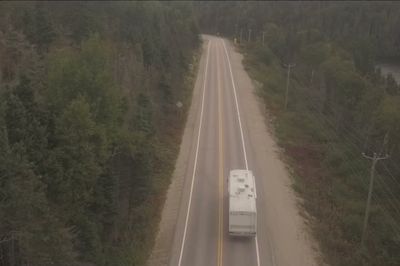
We drove north to make a poet's argument: that a river could be a person. We came home understanding it had never needed our permission — and that the real question was whether we could learn to speak her language.
"As soon as you name something — as soon as you catch it in language — you crystallize it. You can see it so clearly. And you stop it from changing. You lose some aspect of its divinity. That's not how humans work. That's not how relationships work. We are like water — we have to flow, and just be. I think if we could speak like water, if we could be like a river, we wouldn't hurt so much." — Tan, from the film's opening
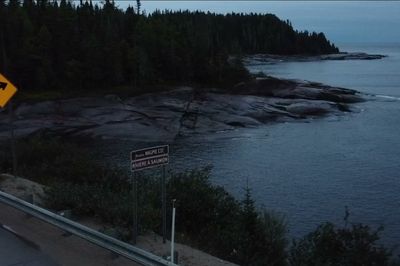
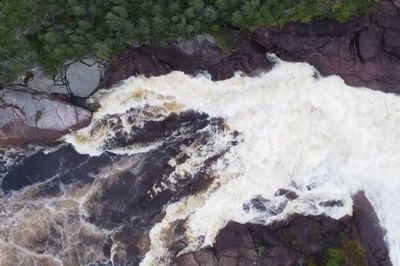
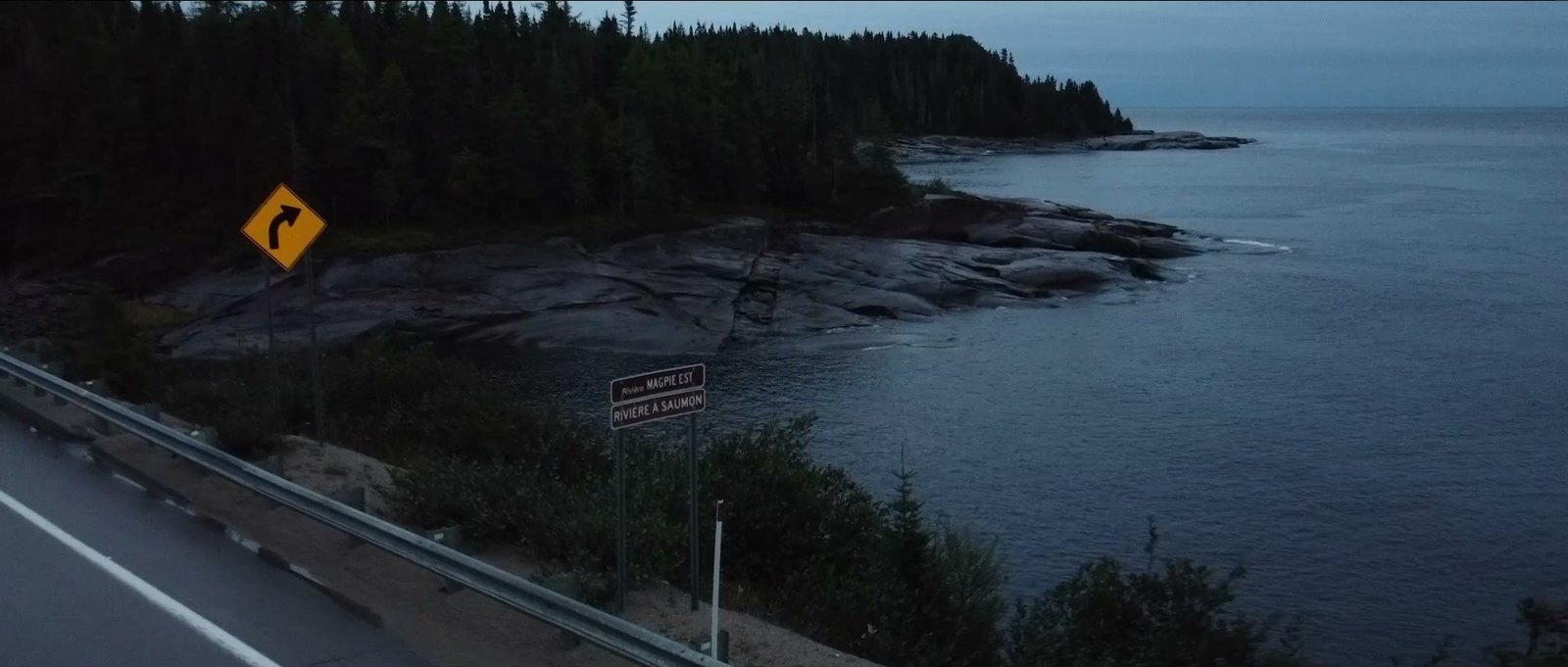
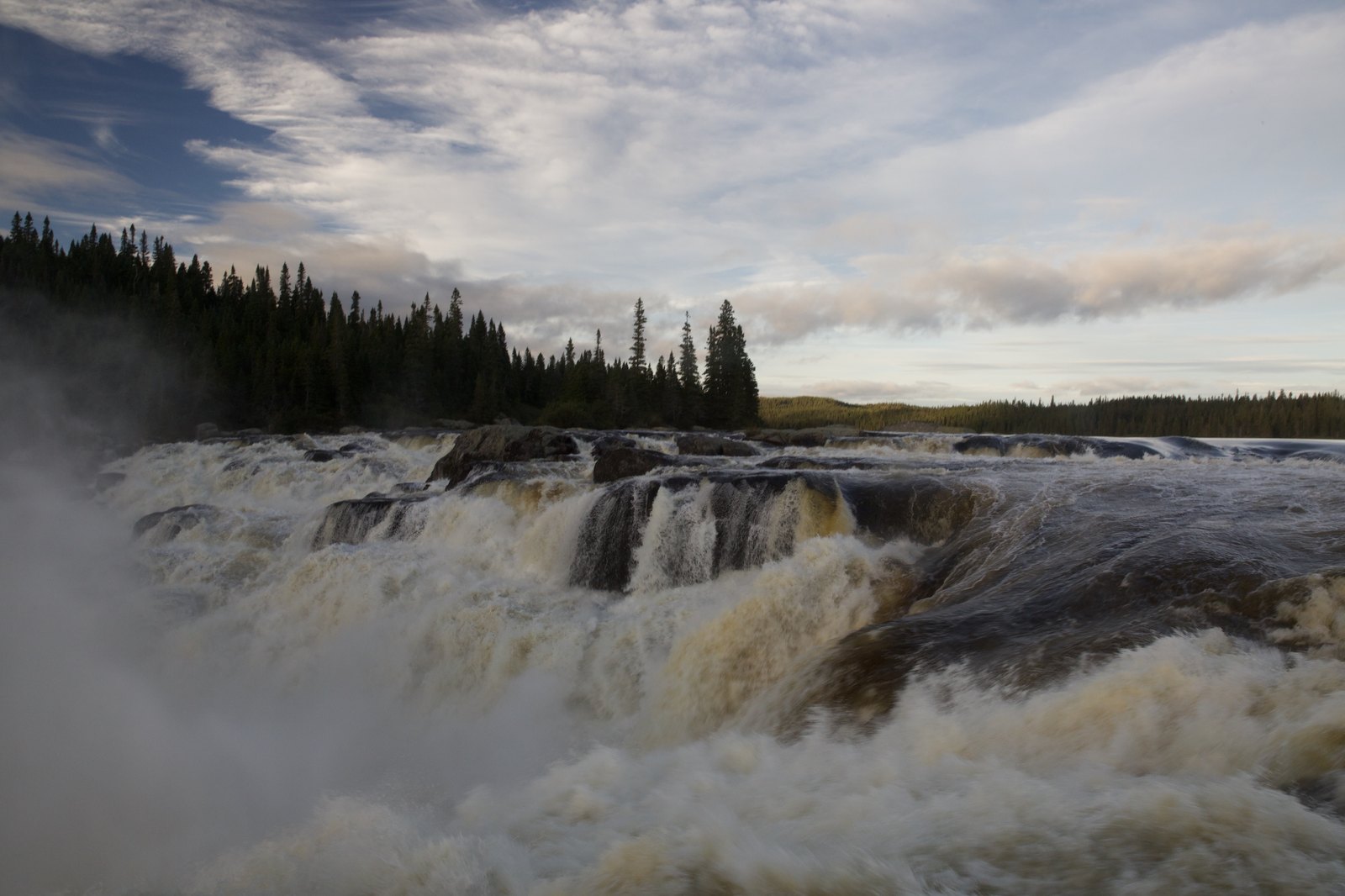
The Magpie — Muteshekau-Shipu in Innu-aimun — runs three hundred kilometres of whitewater through the Côte-Nord, one of the last great free-flowing rivers on the continent. For the Innu of Ekuanitshit it has always been a relative, held in reciprocal community since long before the word "personhood" existed. In February 2021, the Innu Council and the Minganie municipality did in law what their knowing had never doubted: they recognized the river as a legal person, with nine rights of its own and guardians to defend them.
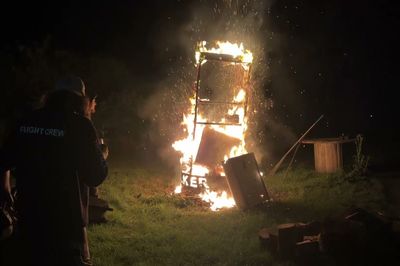
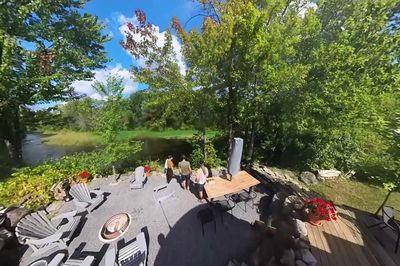
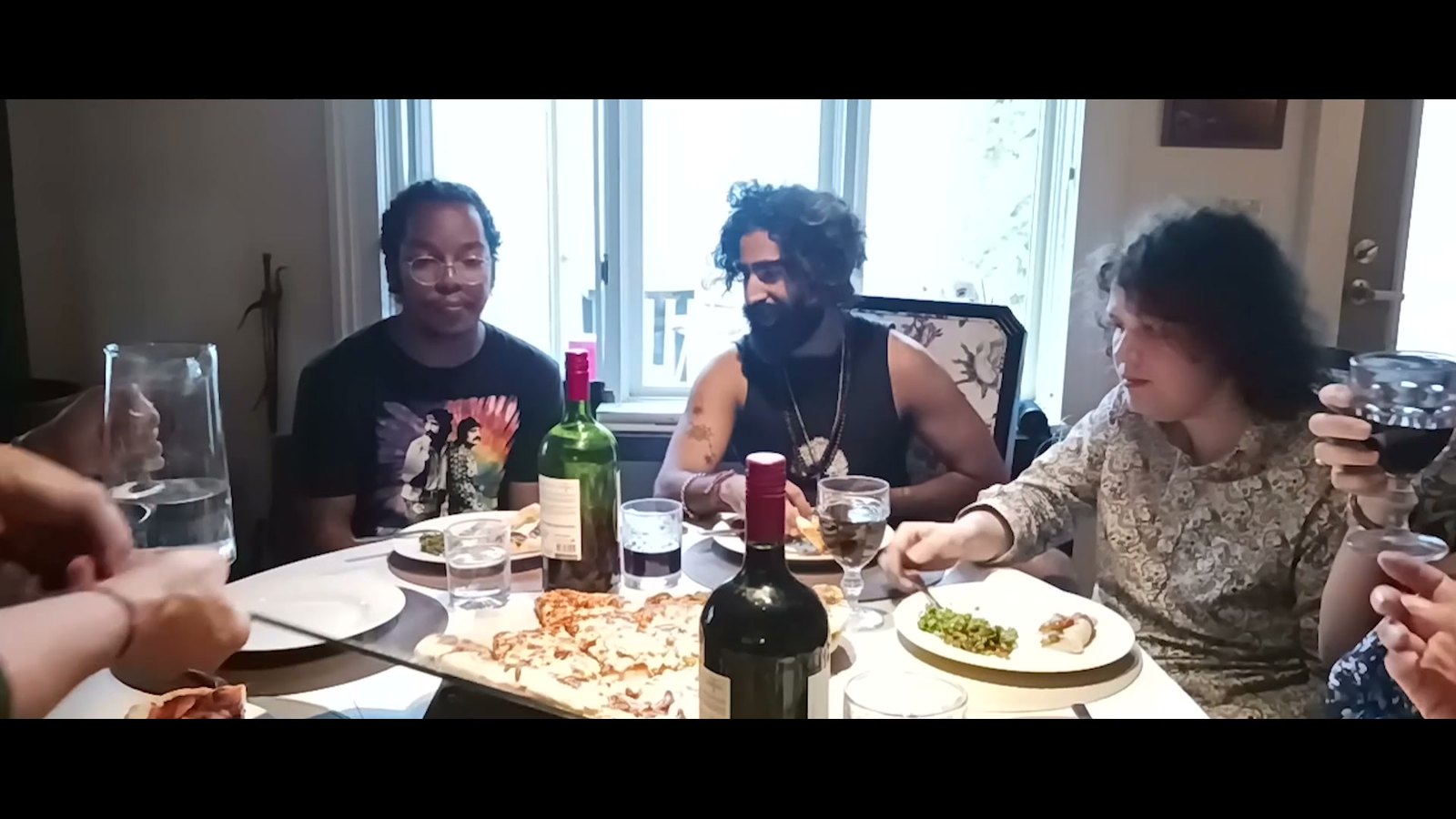
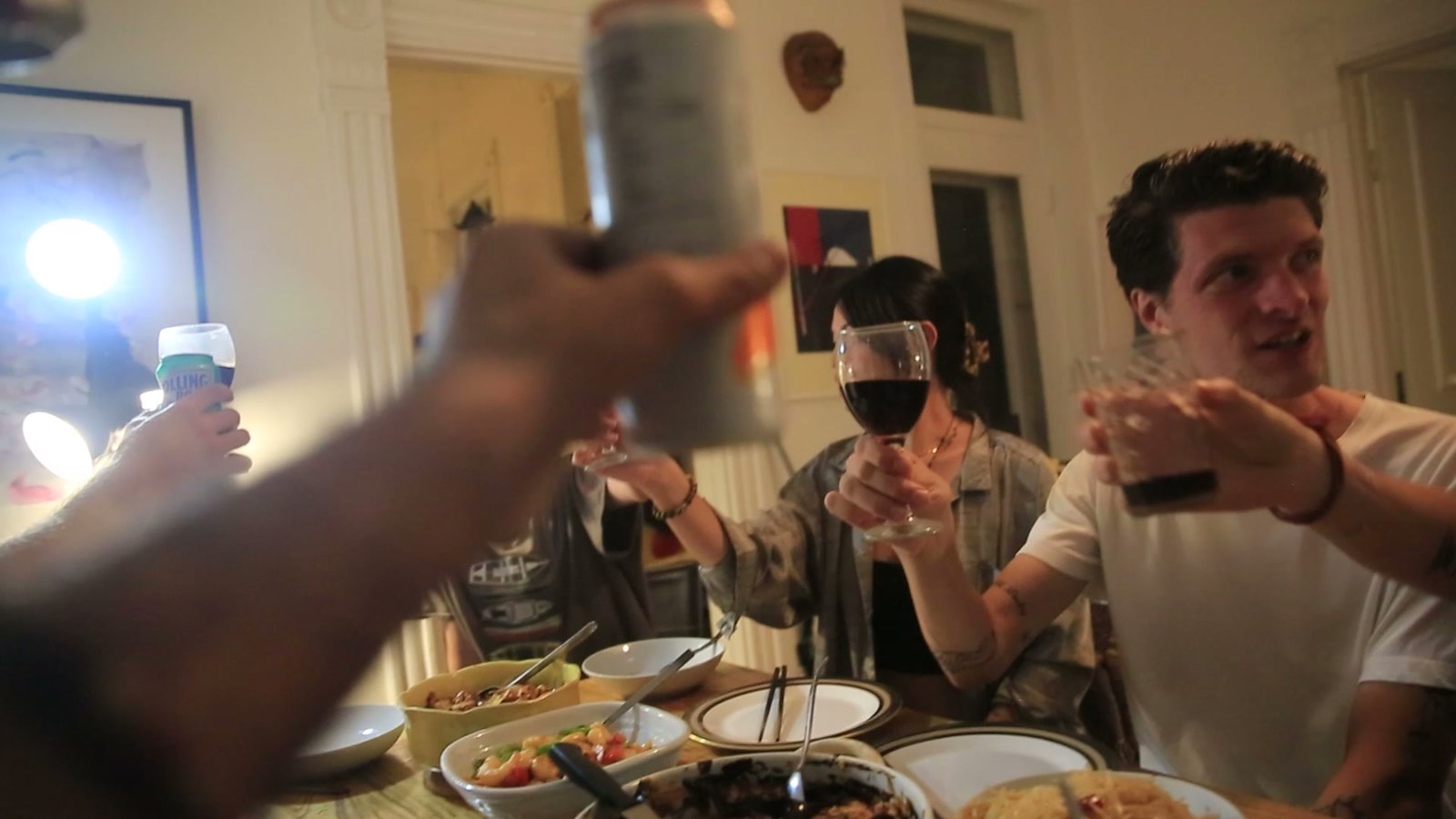
The idea began in Toronto, inside an artist collective called POM — a wild, chaotic, deeply-loved house where a community of displaced people found their way back to authentic connection with each other and with the land. Tan had a grant before he had a goal. He came to rivers by way of personhood, and to personhood by way of rivers, and one day the two just clicked into the same sentence.
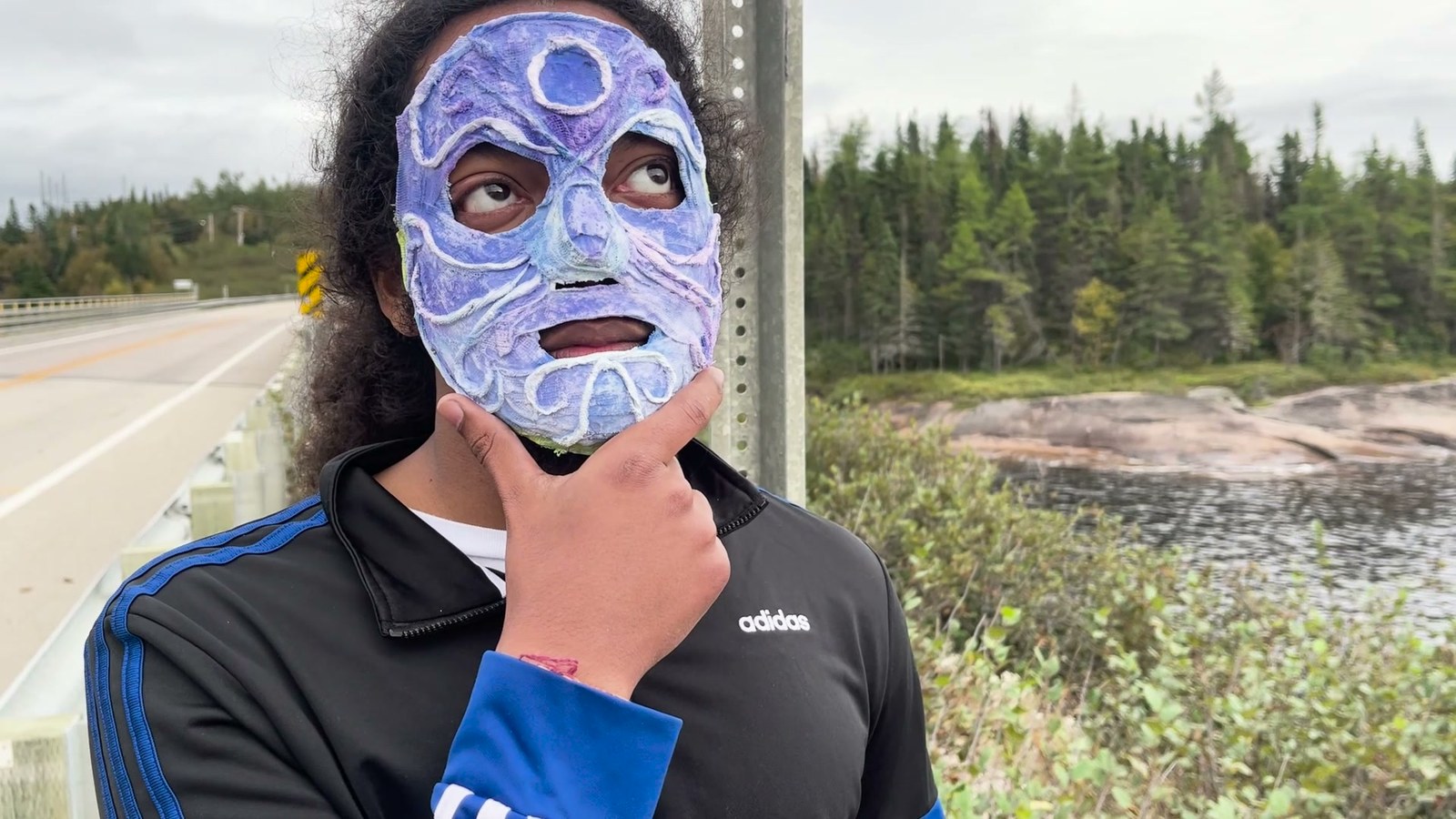
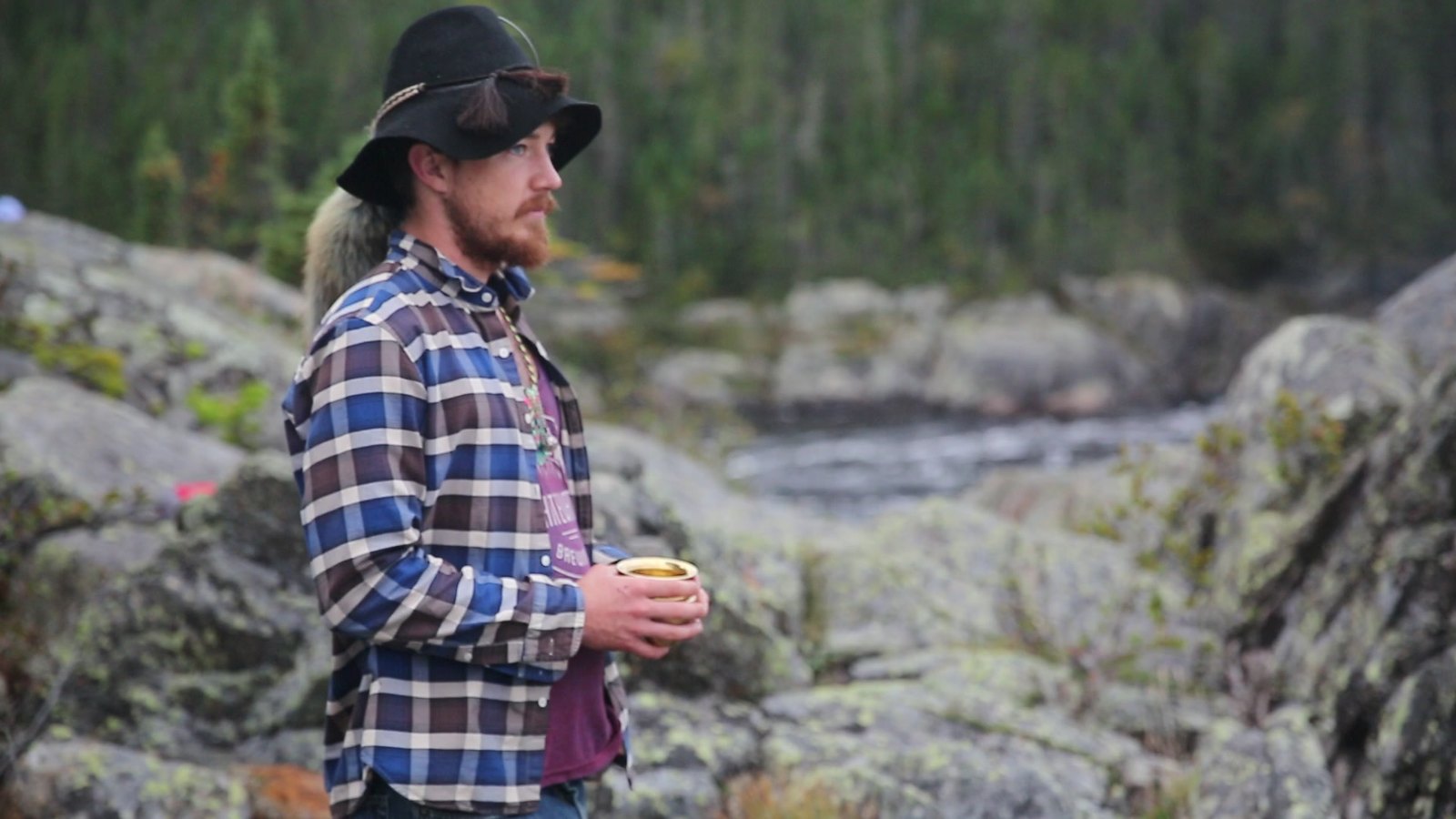
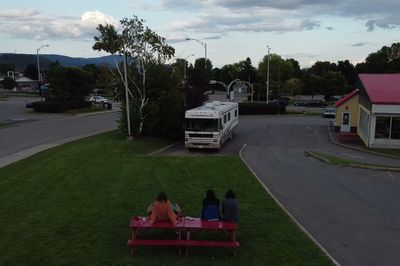
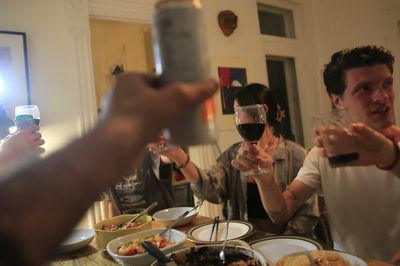
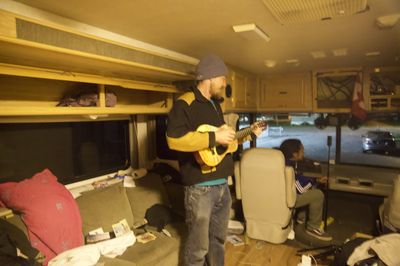
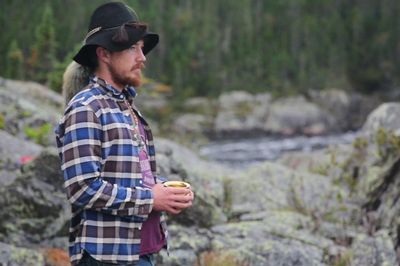
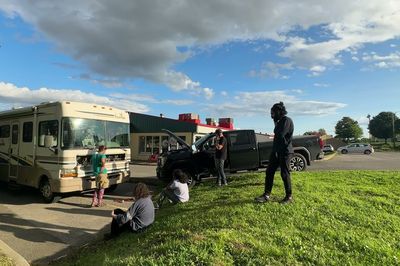
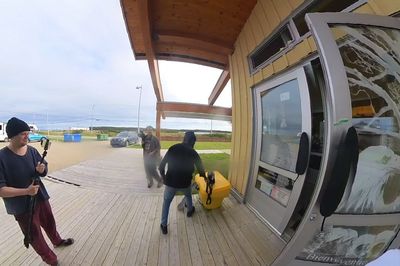
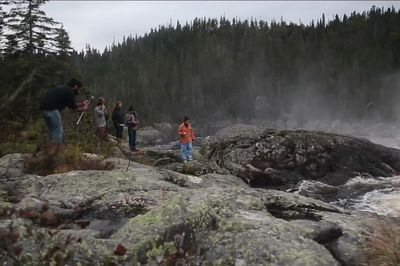
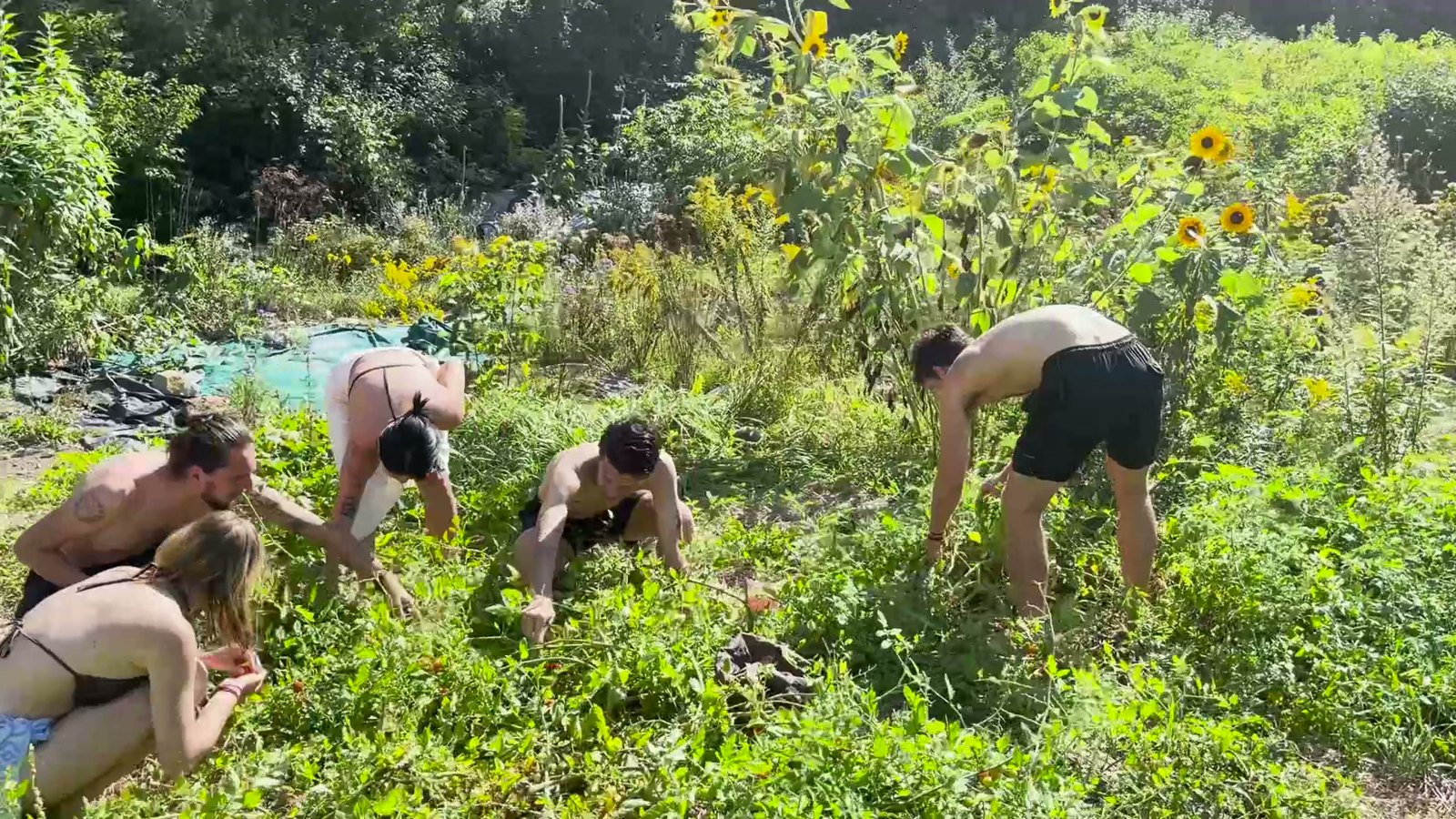
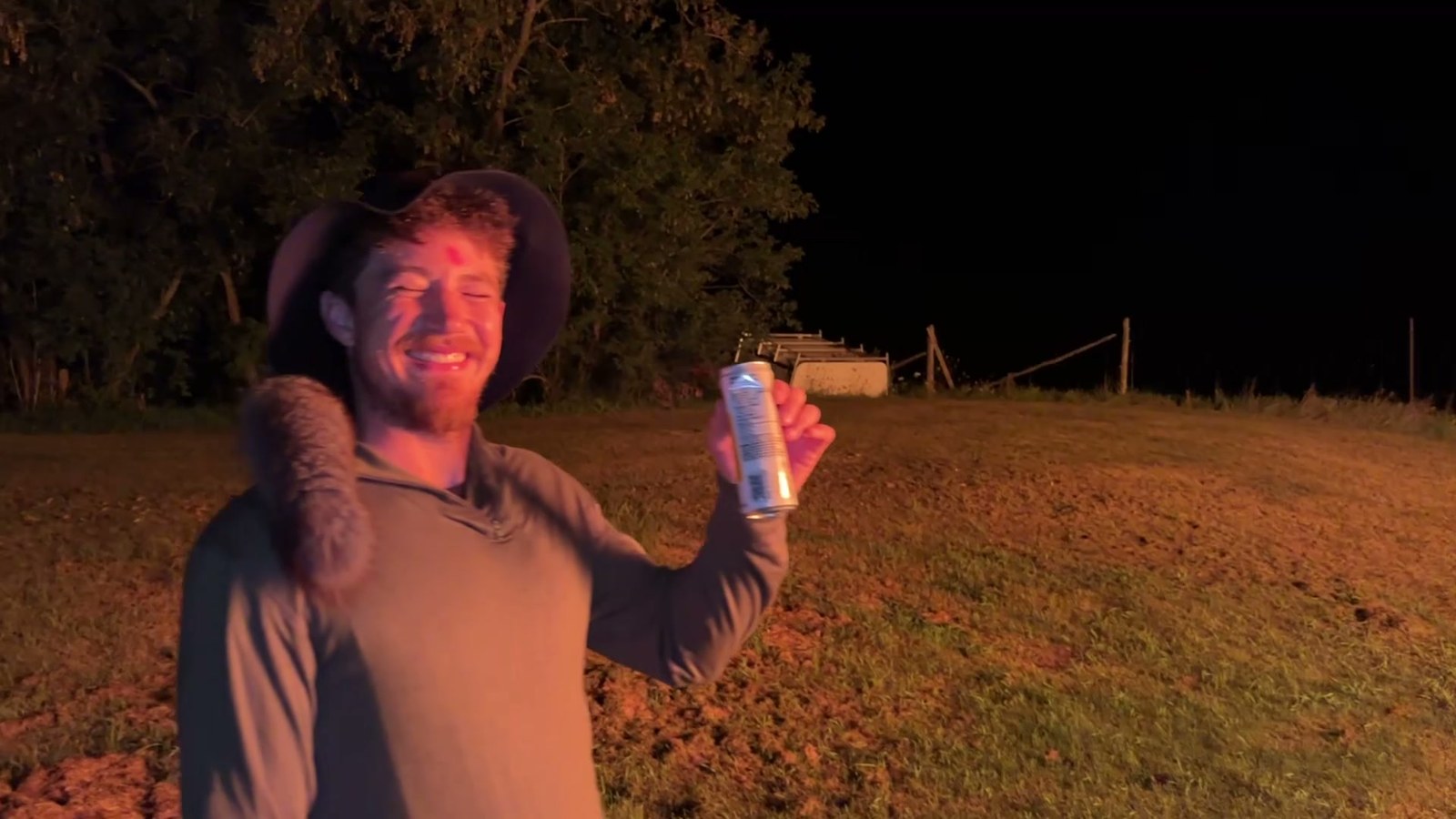
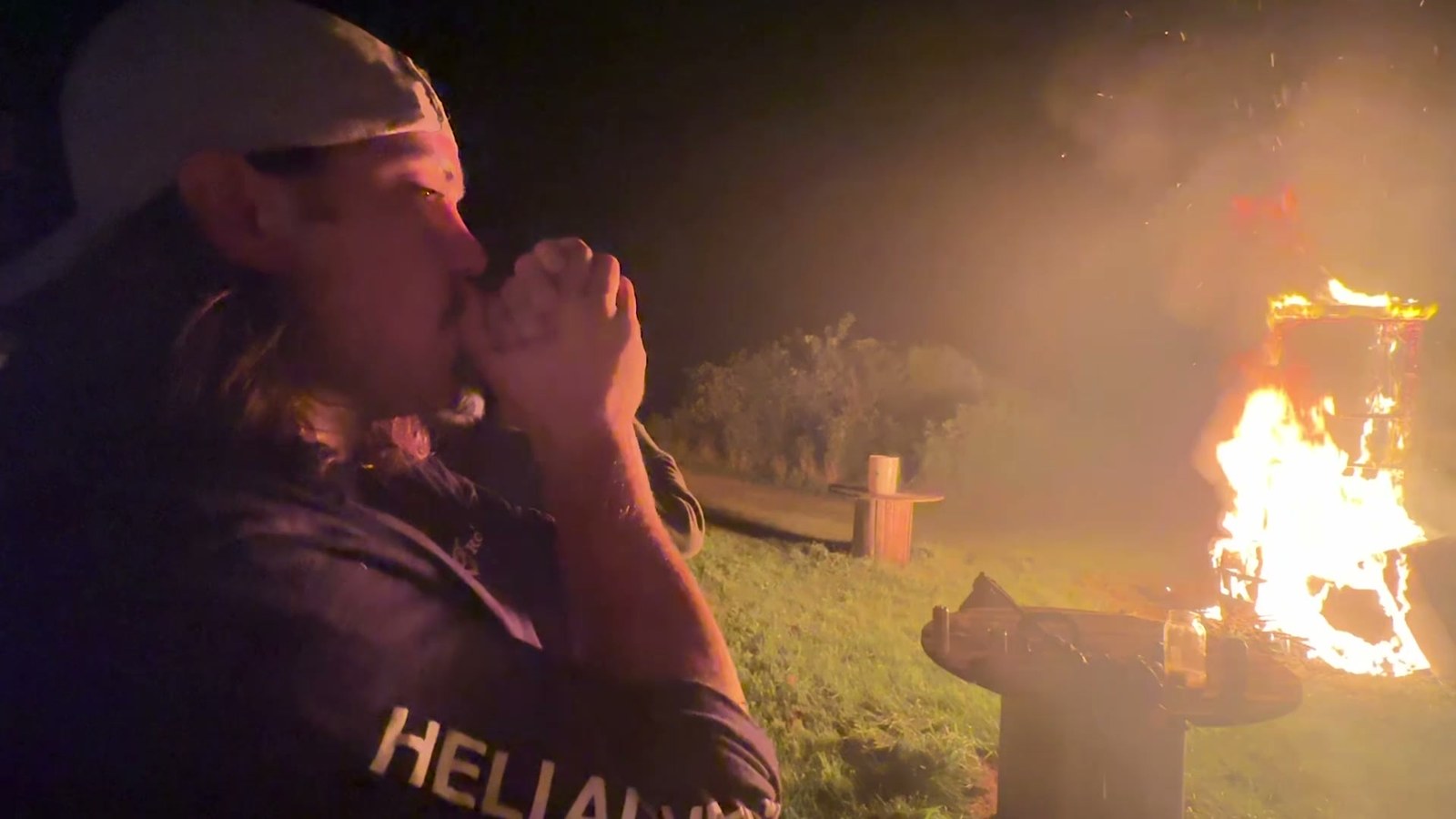
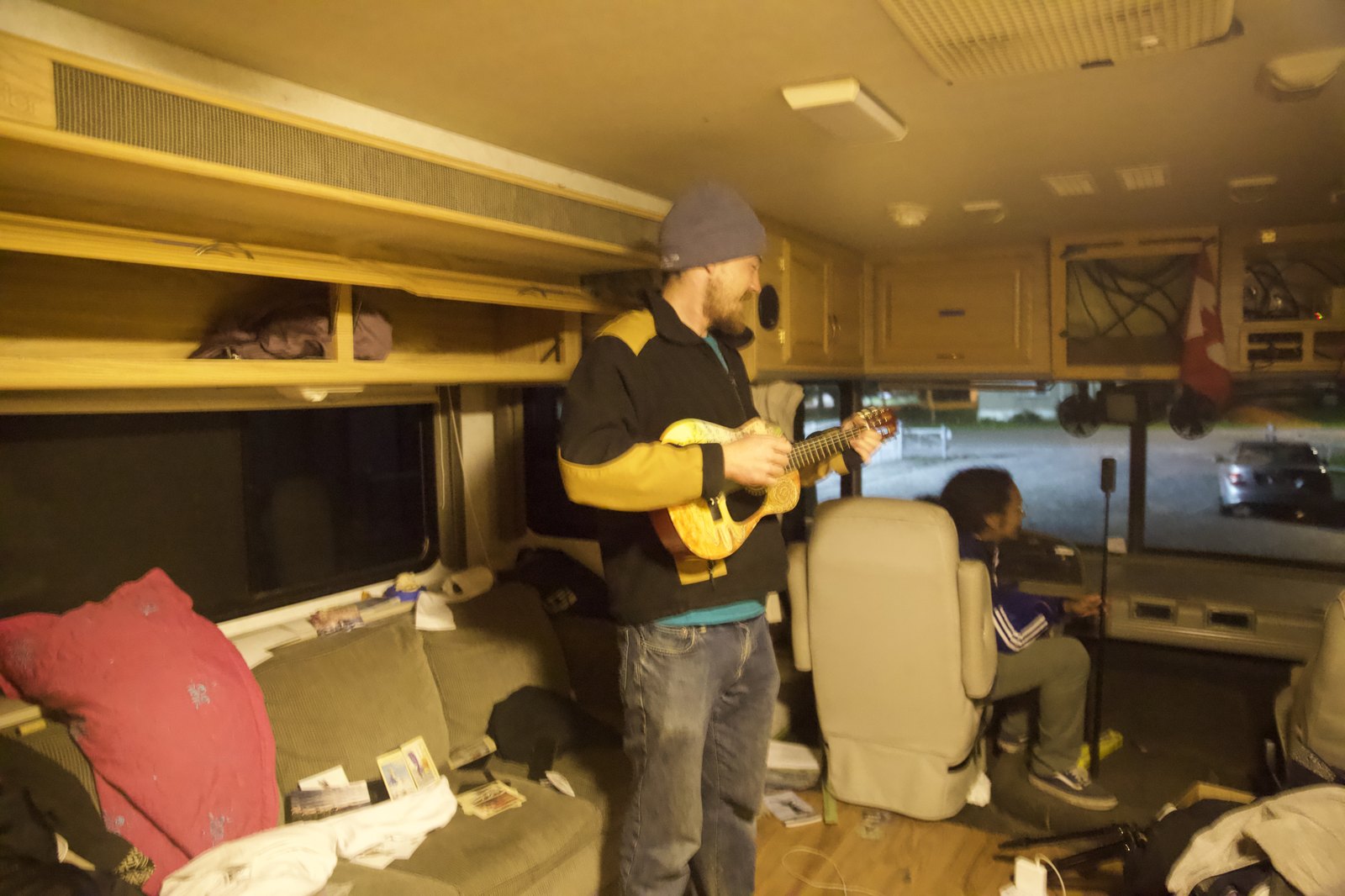
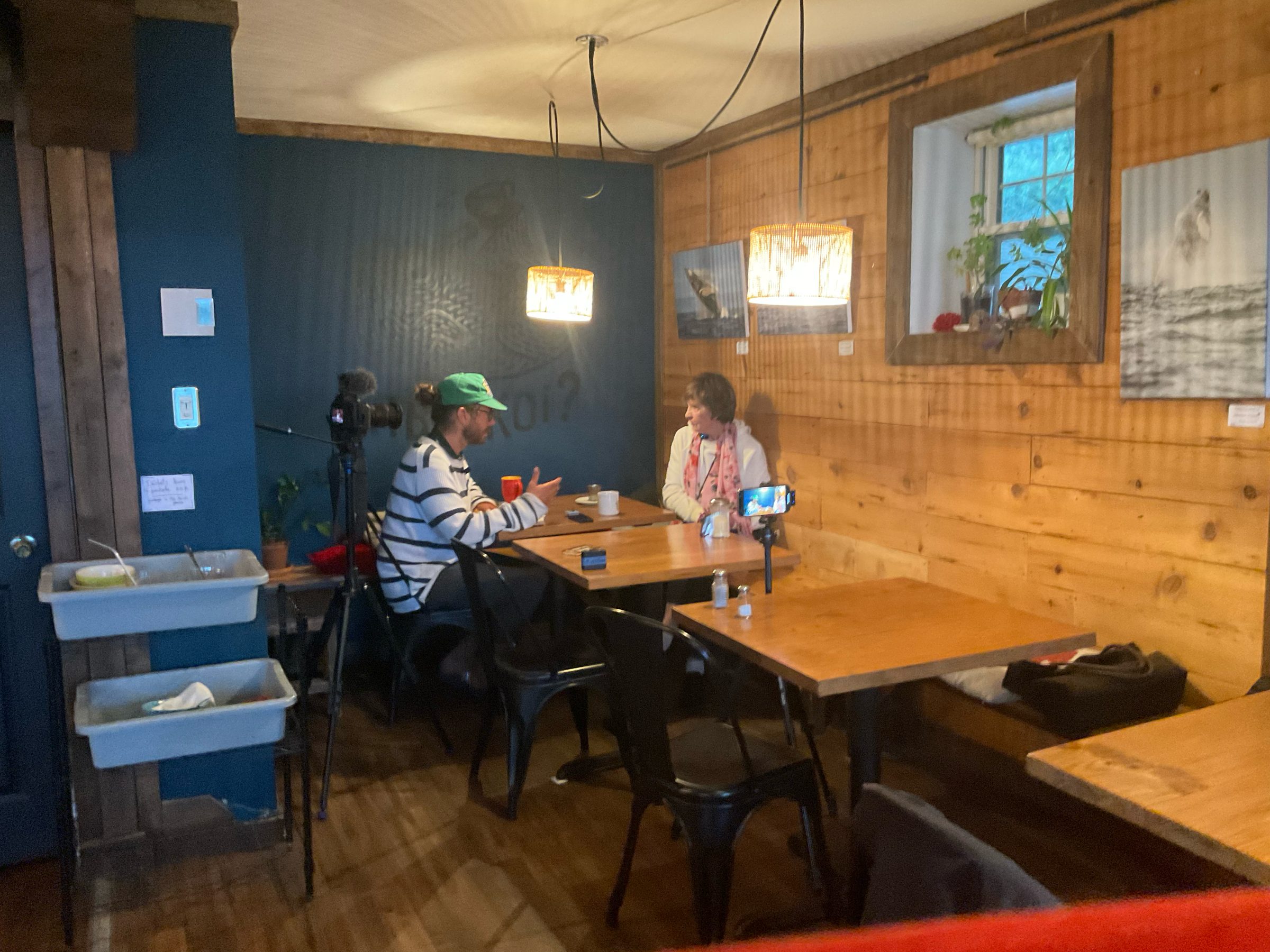
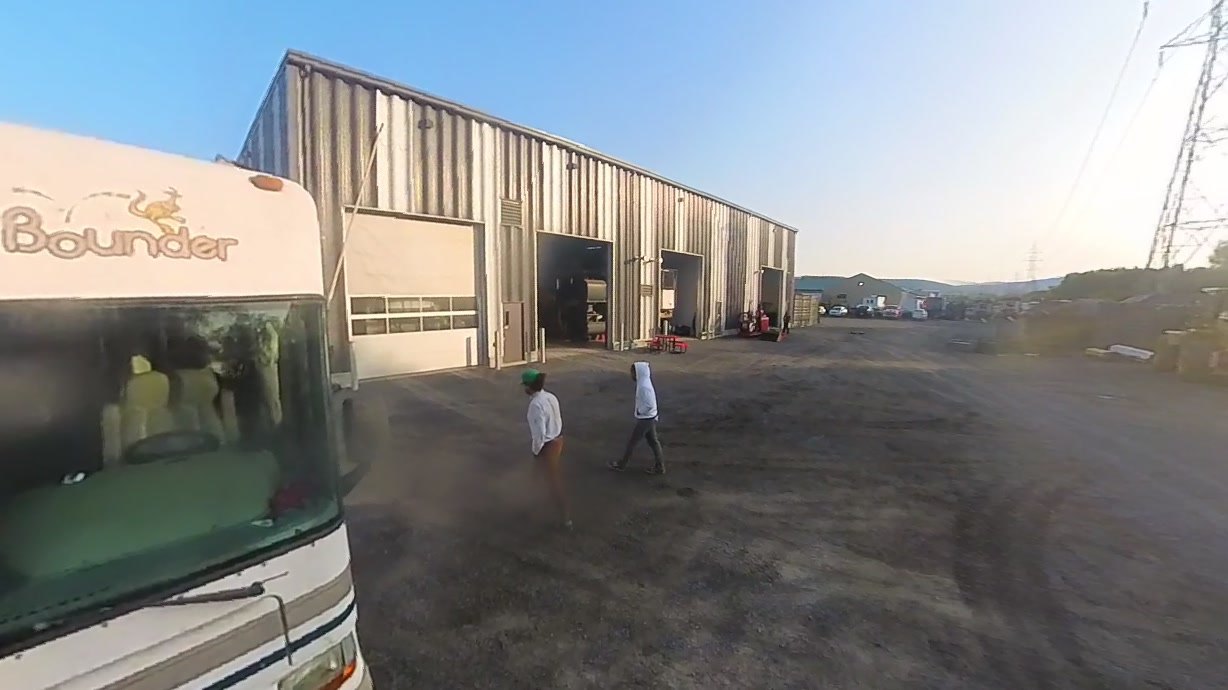
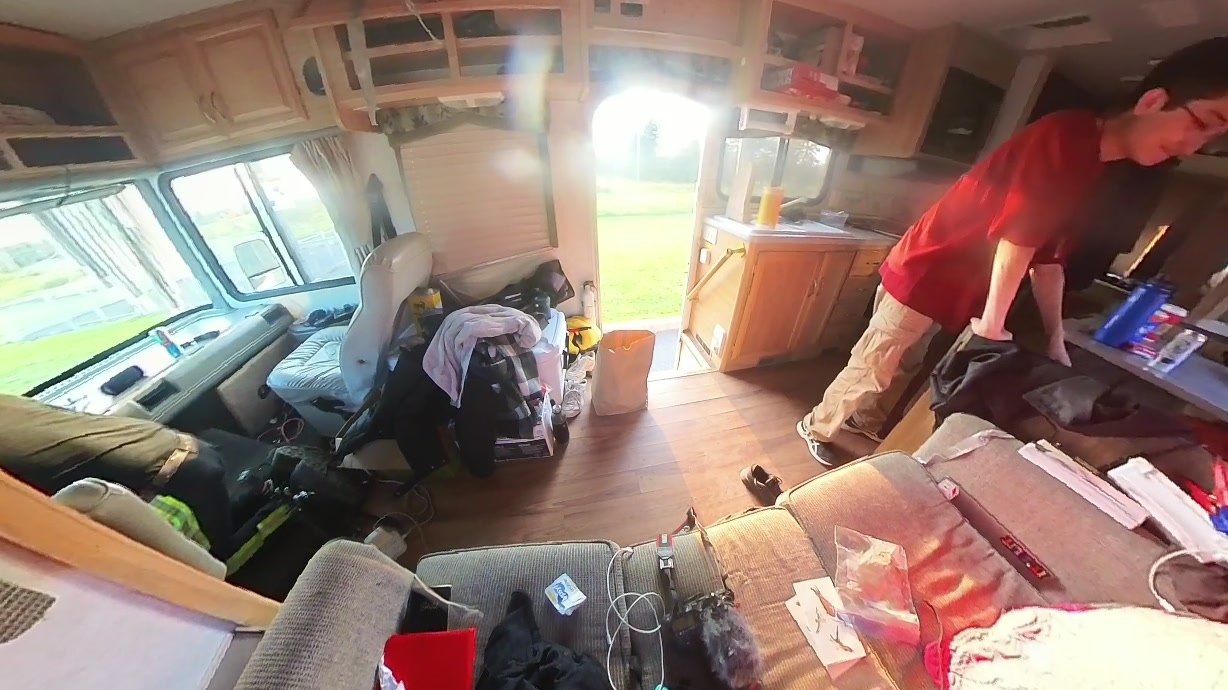
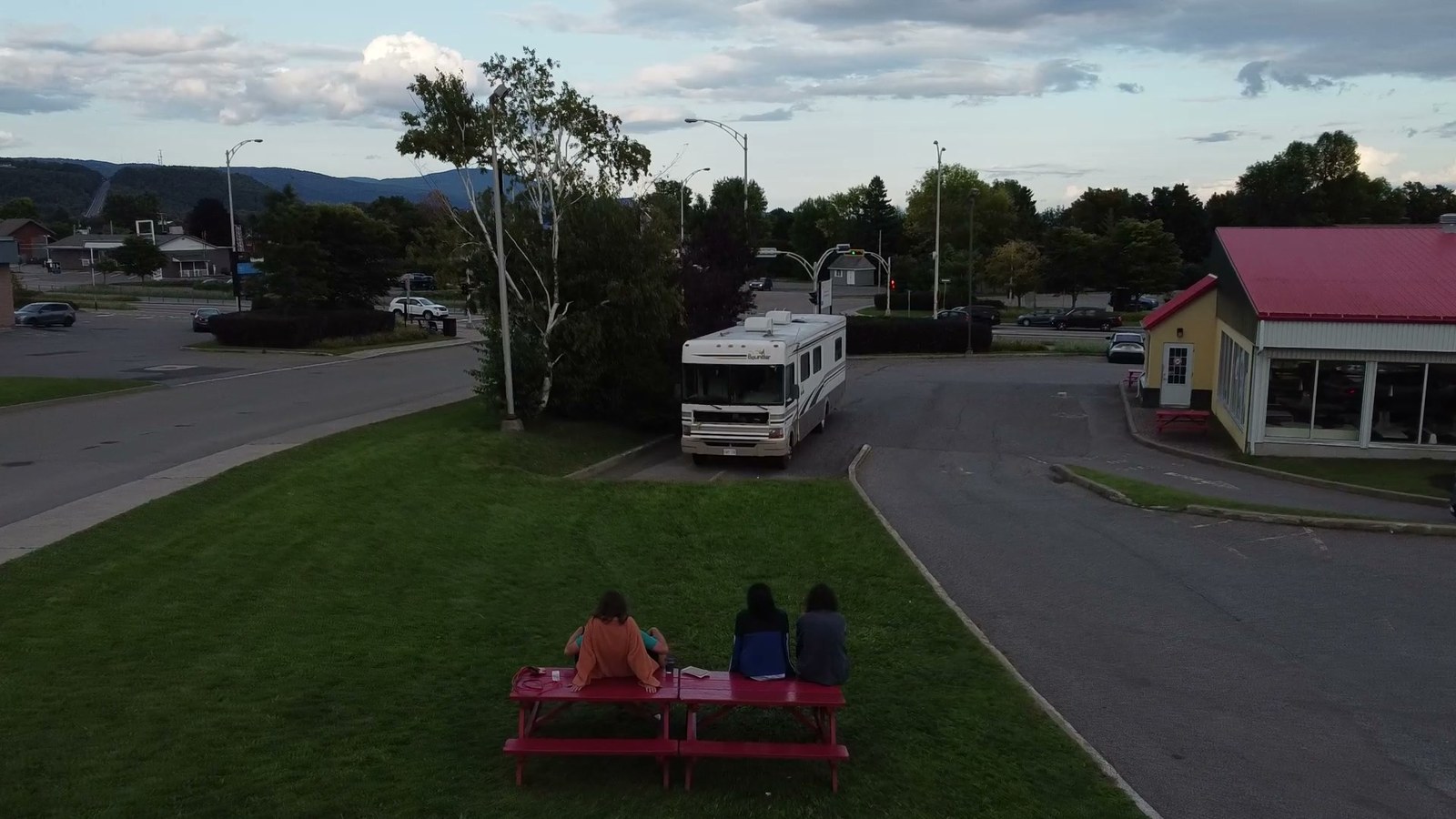
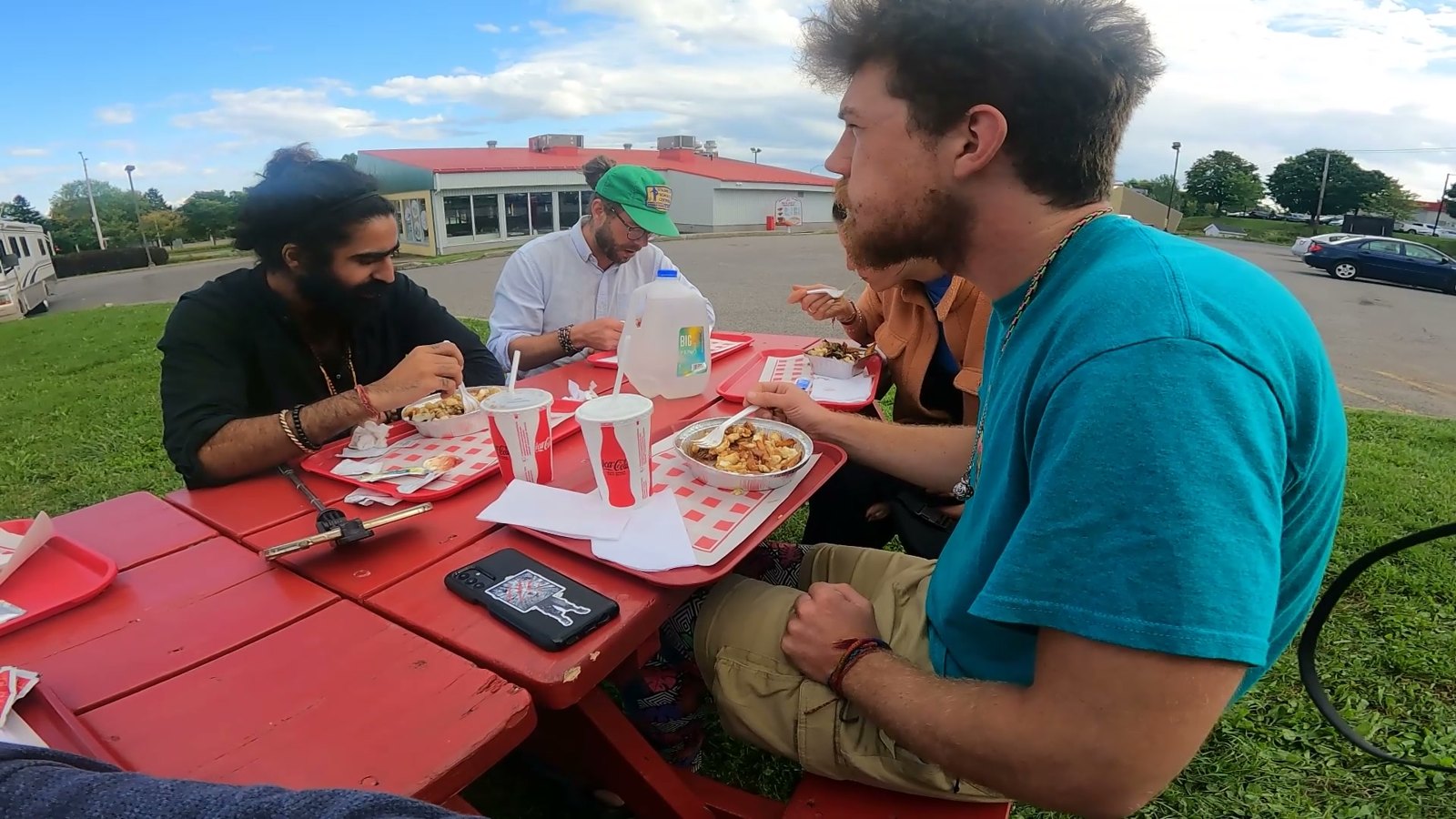
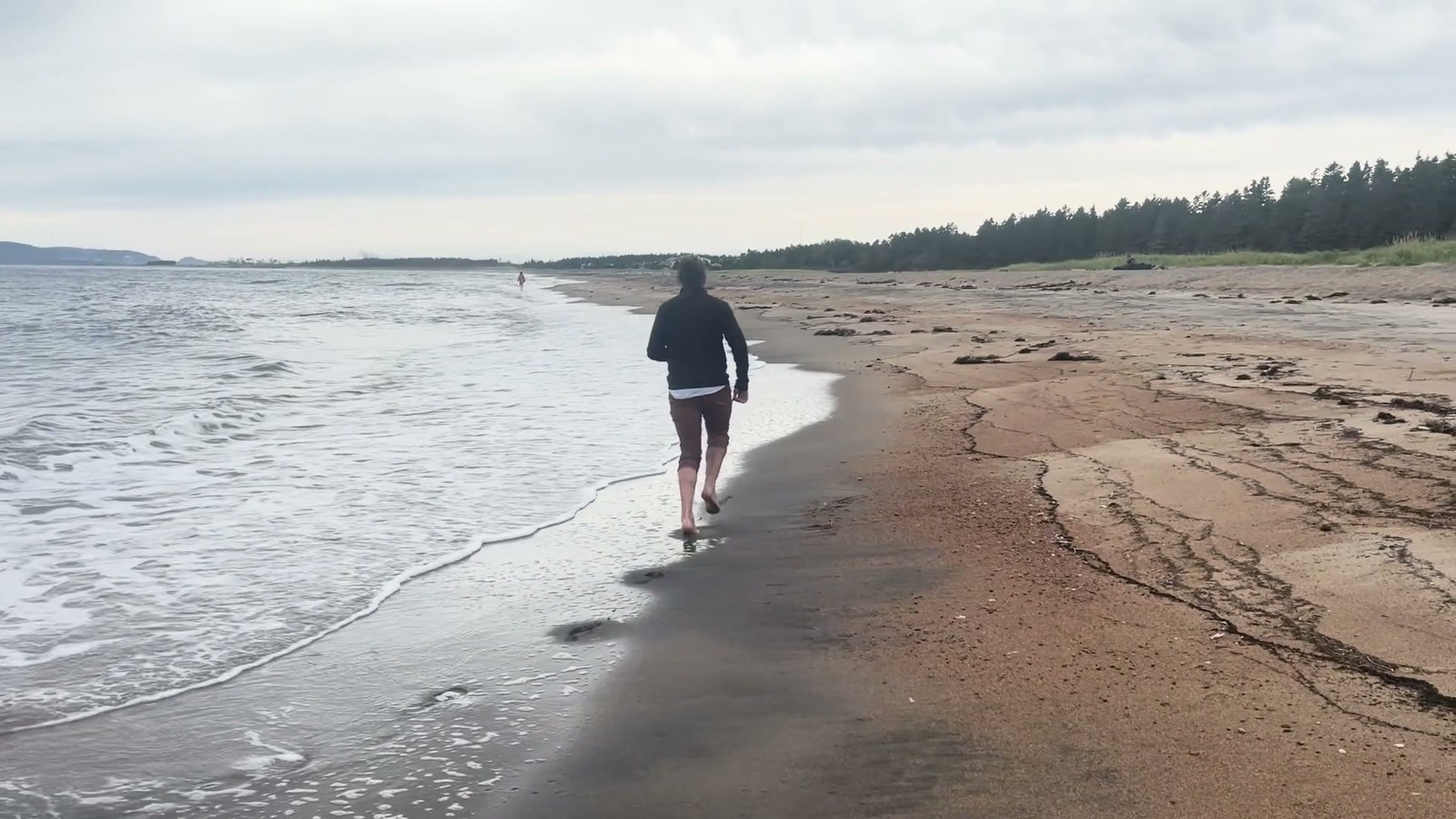
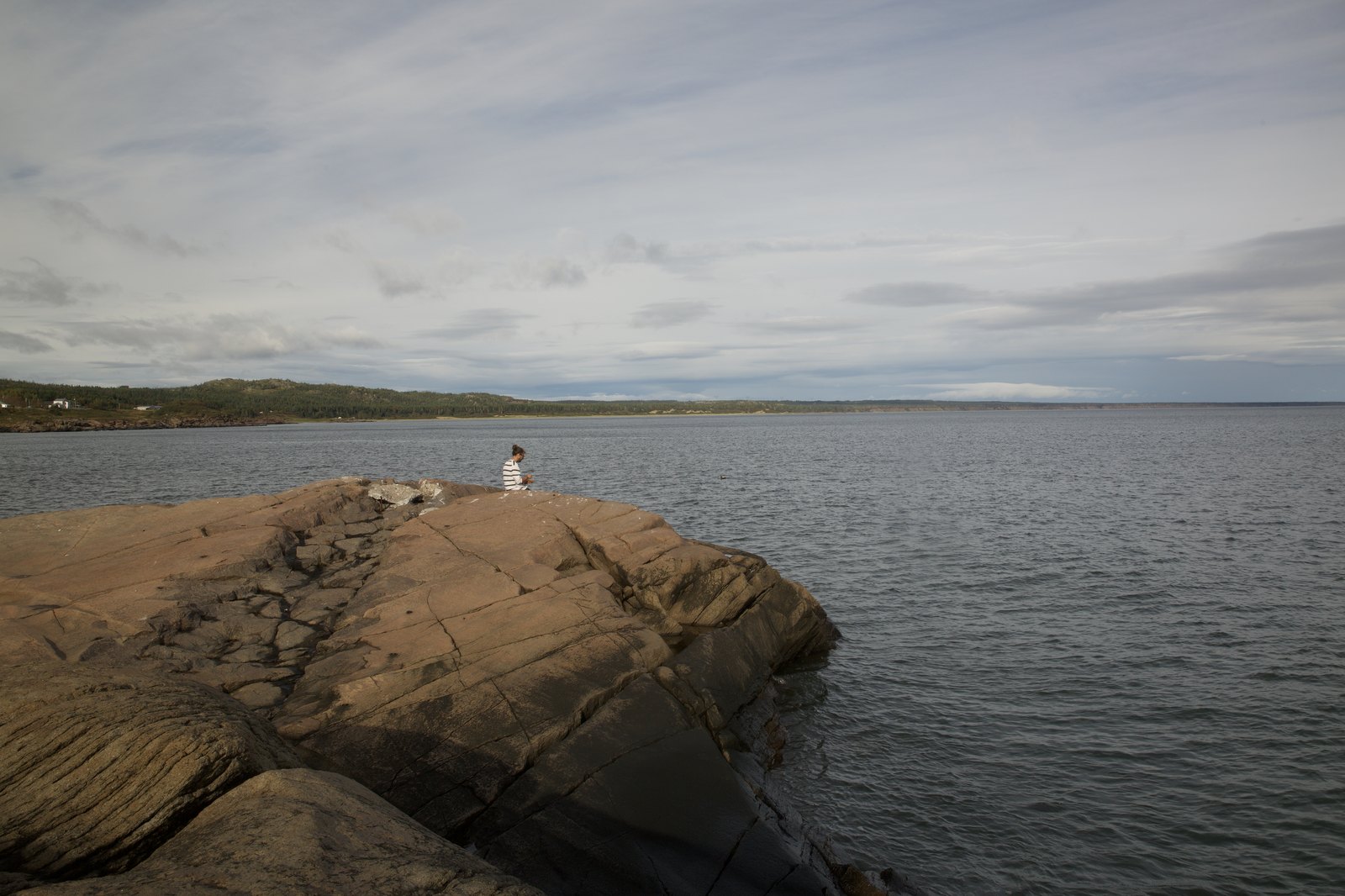
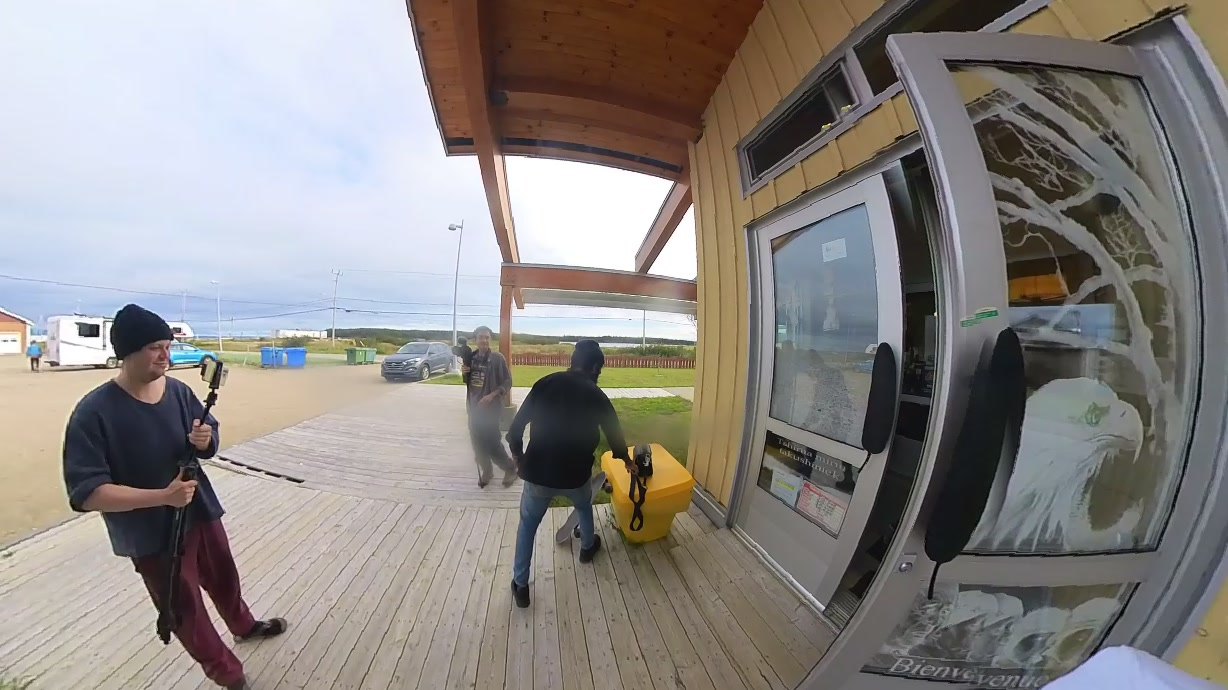
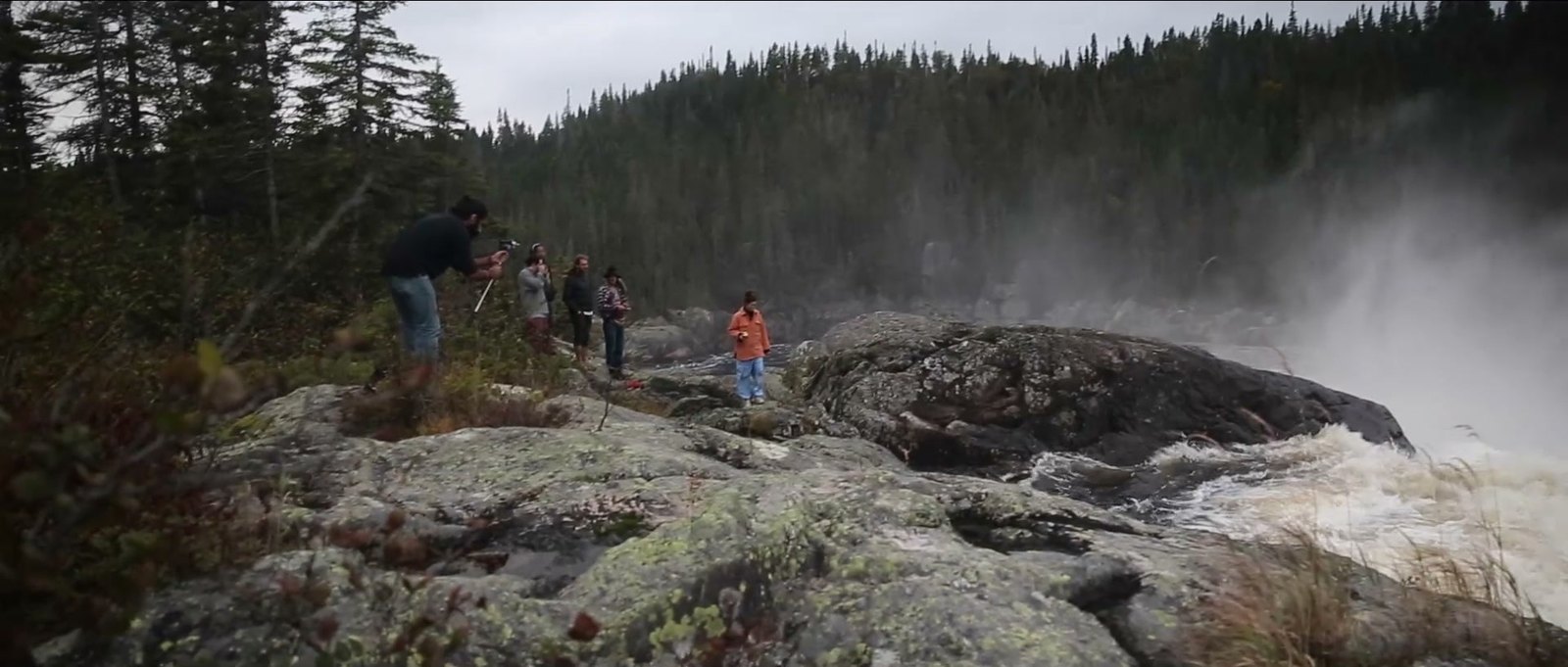
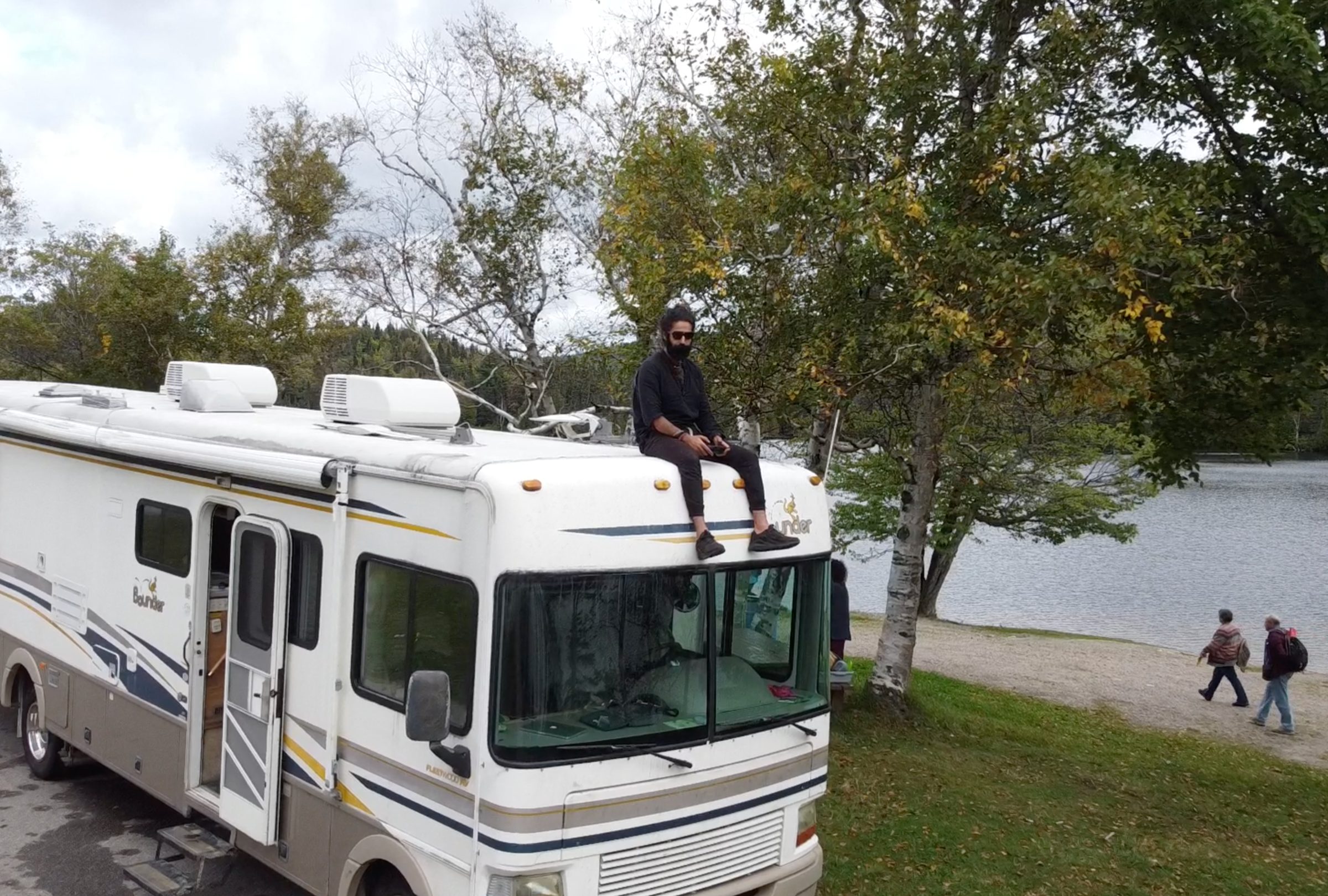
We came to document that — and to sit with the people who love the river. A whitewater guide. A poet. A philosopher. Elders. And a rotating caravan of friends who had never been north.
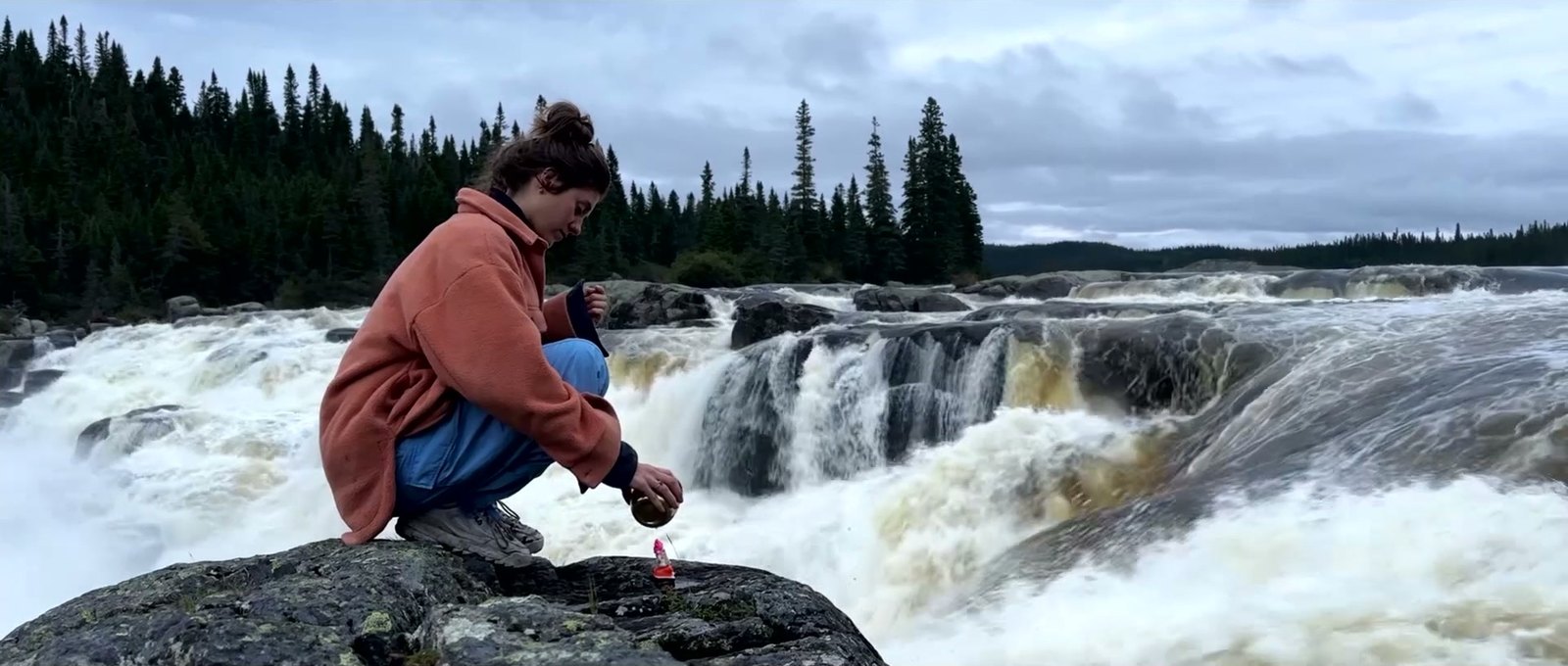
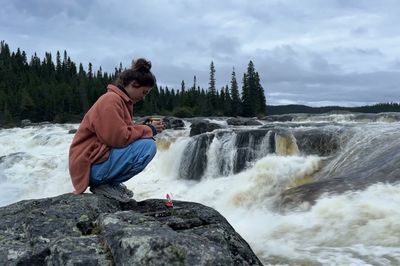
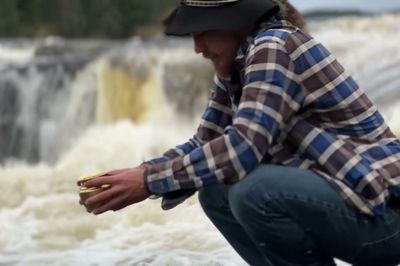
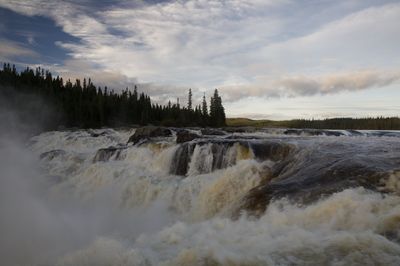
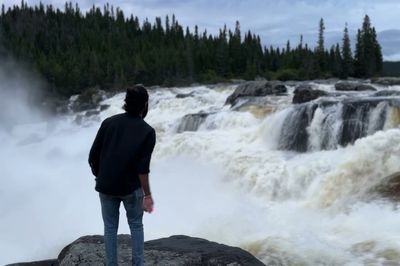
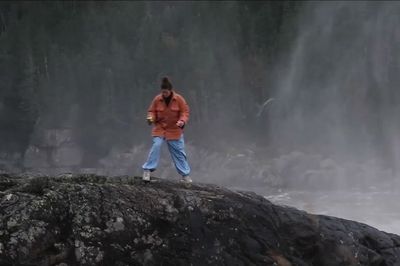
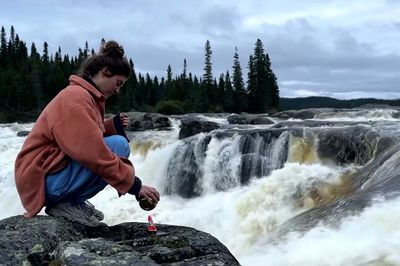
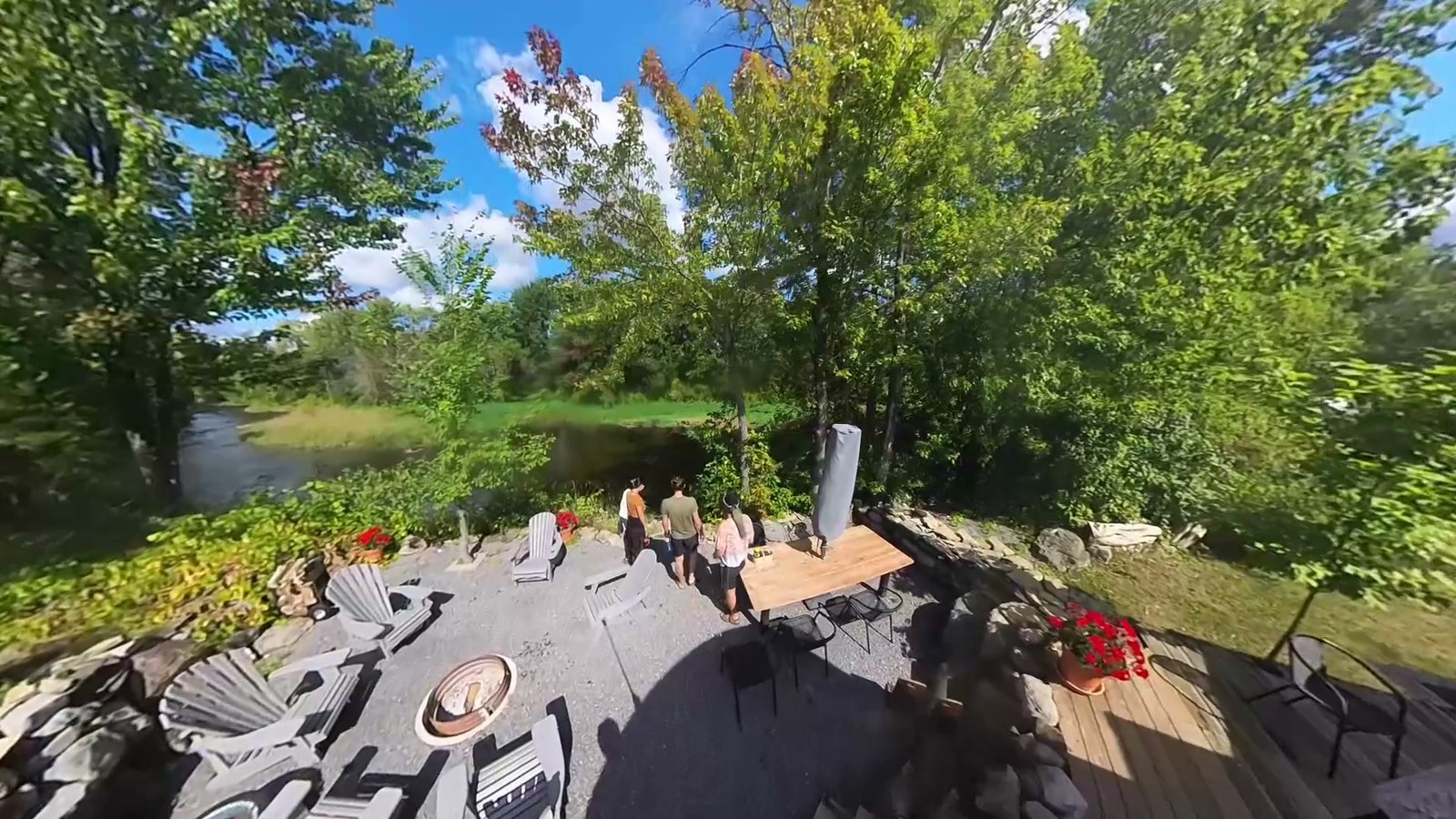
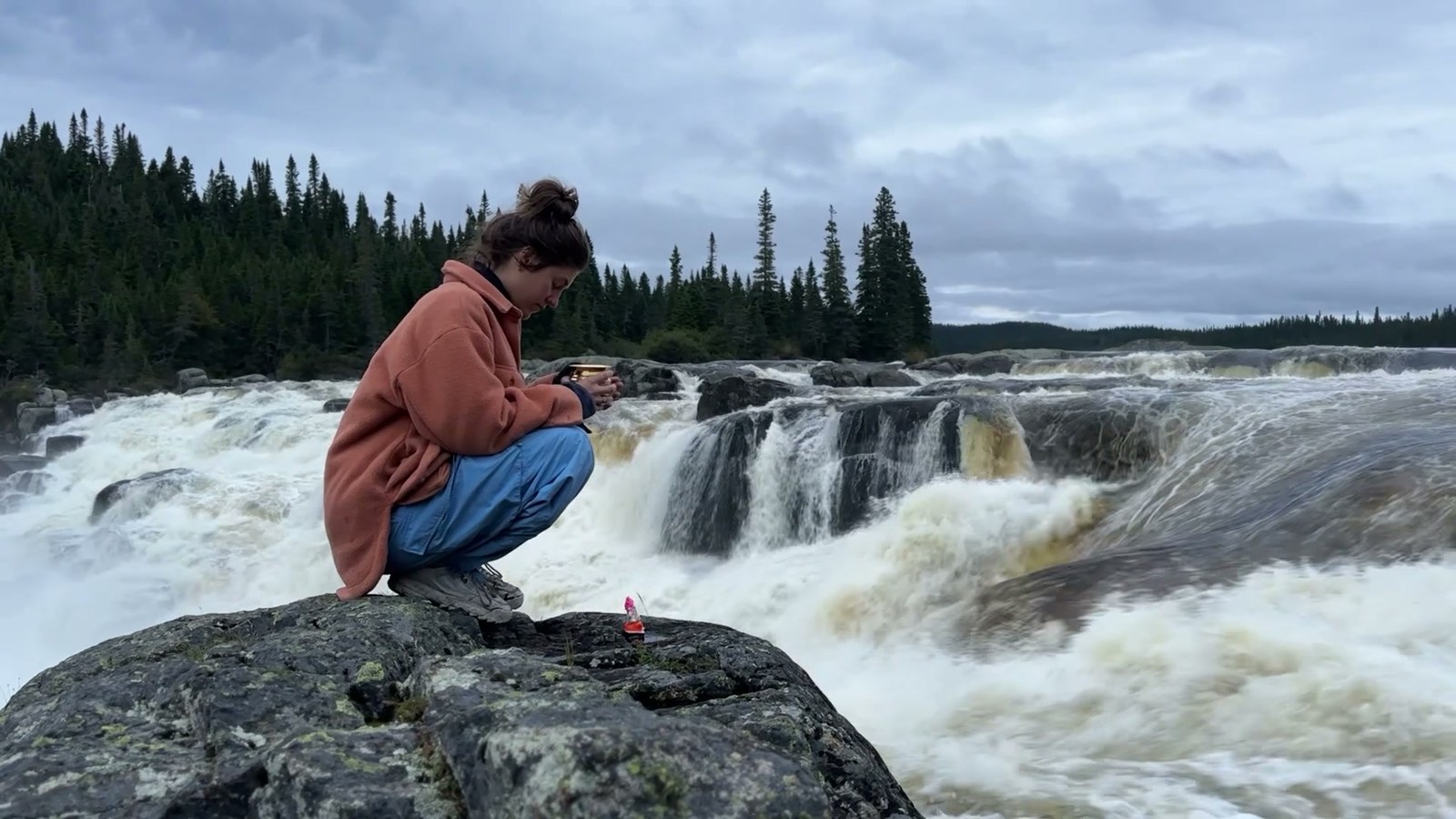
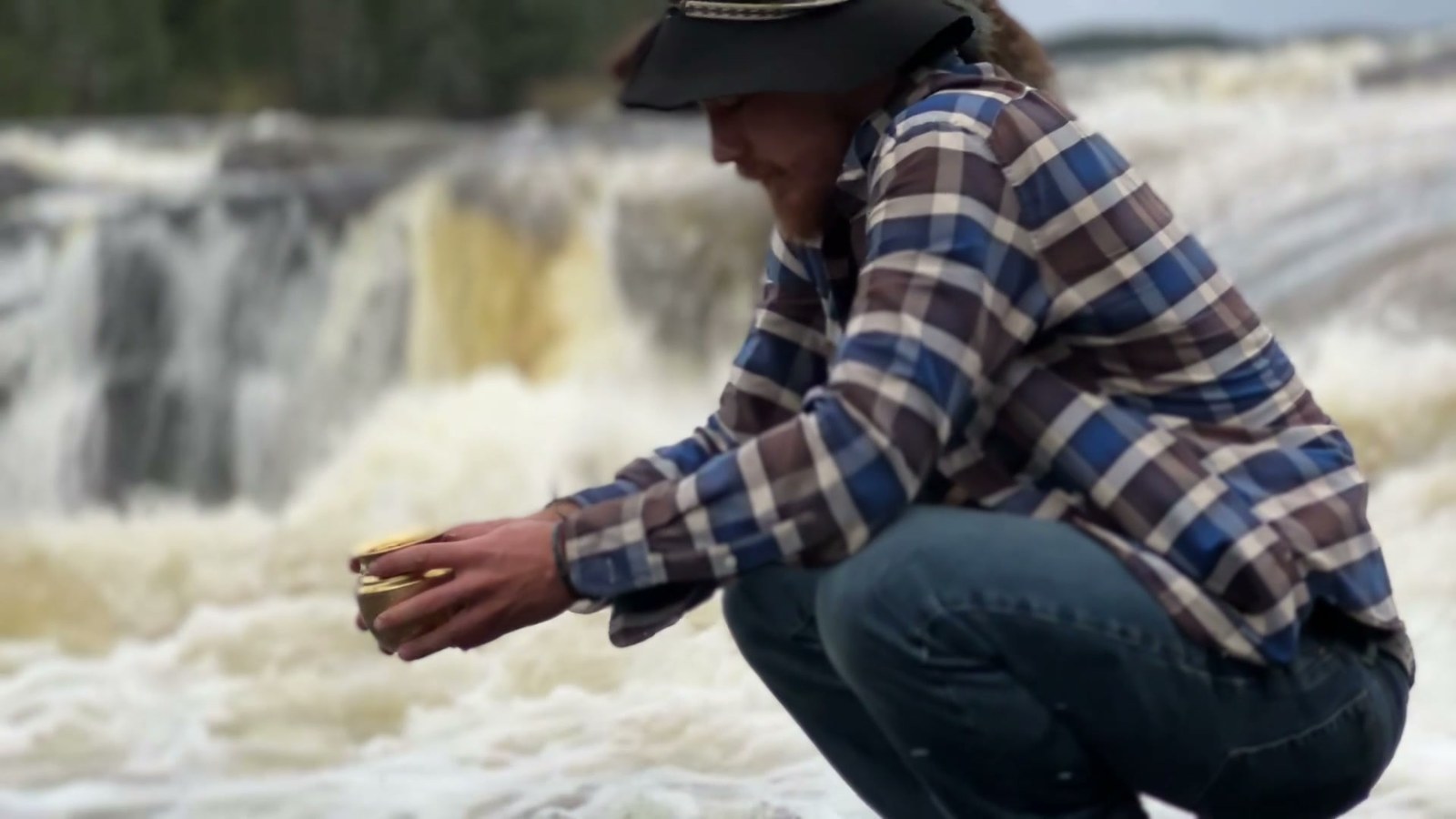
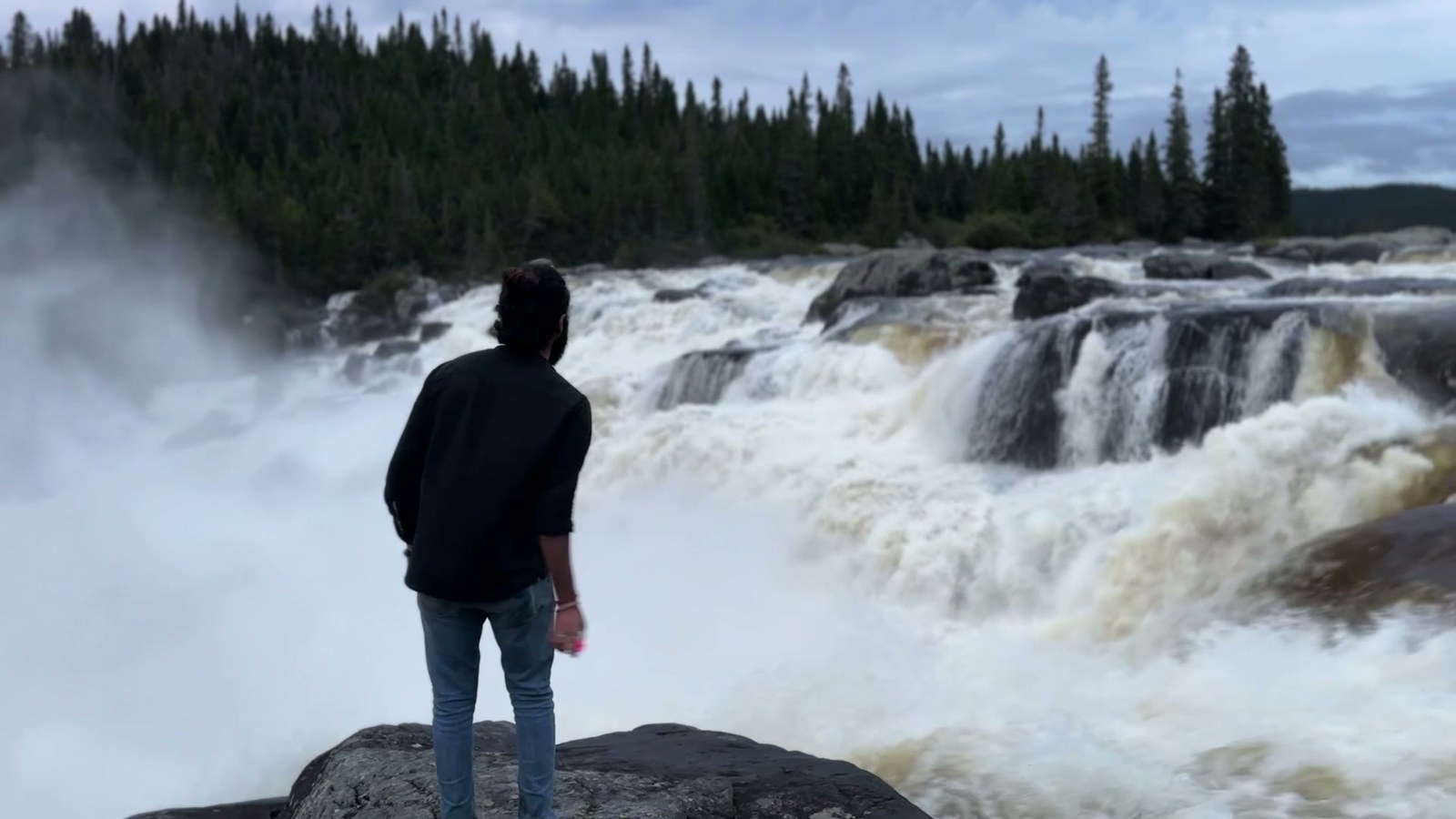
We slept on the bank. We ran the rapids. And at the waterfall — where the whole weight of the river throws itself over the edge and falls, endlessly, into grace — the argument dissolved. She does not care to be called a person. She is a wild river. And to stand in the presence of that much freedom is to be reminded it lives, unclaimed, in us as well.
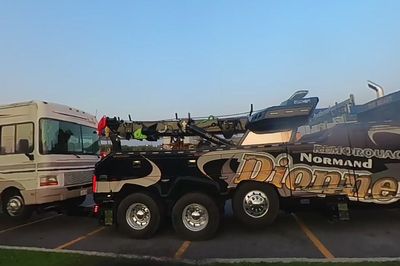
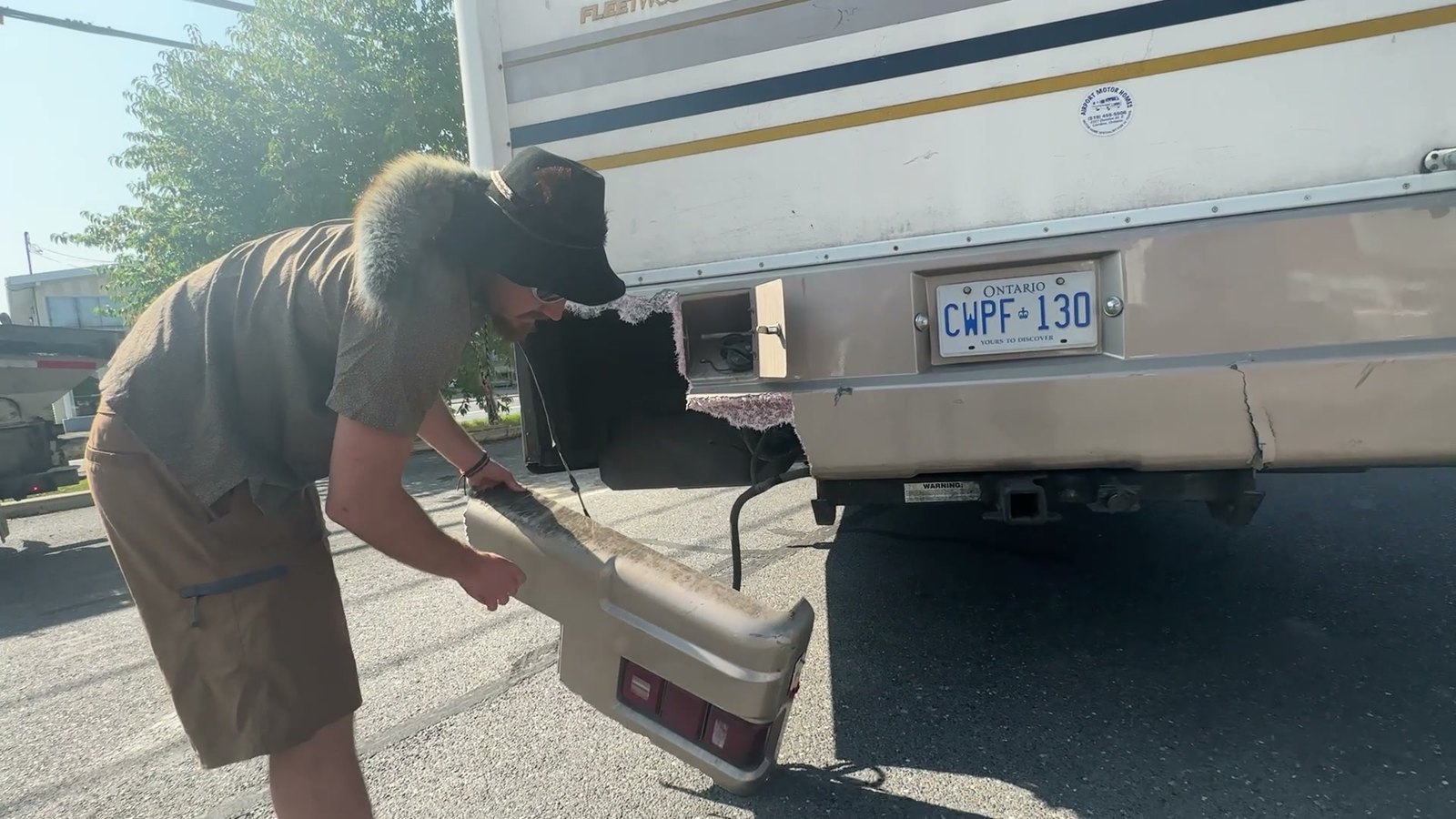
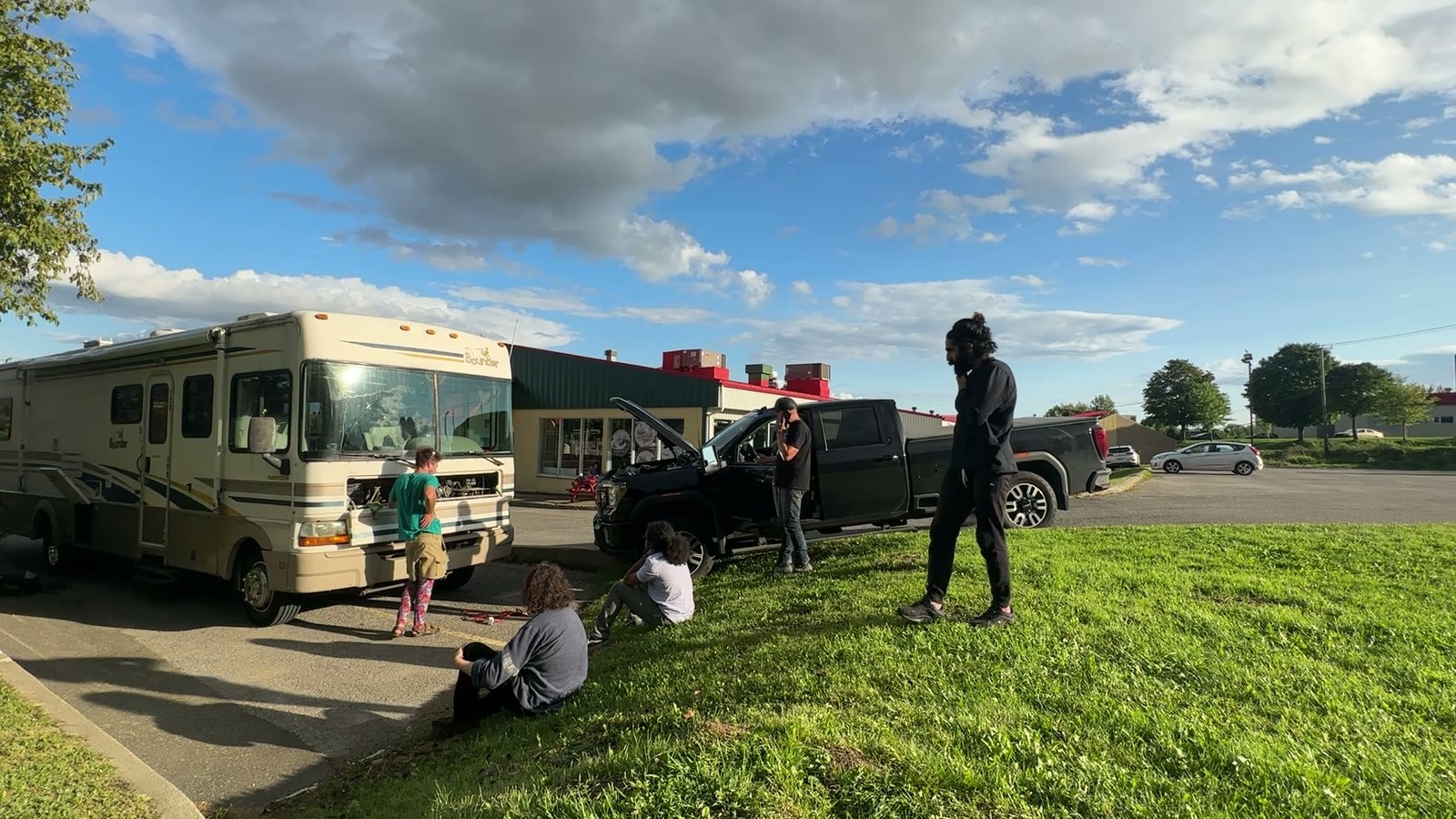
So we did the strange, human, hopeful thing: having found the river sacred, we clothed her in personhood — not to elevate her, but to protect her from us. To buy the law time to catch up with what the Innu always knew. And on the way home, we went through three breakdowns of our own — relationships fraying, the caravan separating in disparate directions, exactly the way a river would. That is the film. That is the beginning of the movement.